WAROFTHEUNIVERSE: A Deep Dive into the Cosmic Battlefield
Explore the intricacies and the excitement of WAROFTHEUNIVERSE, the gripping game of intergalactic warfare infused with strategic depth.


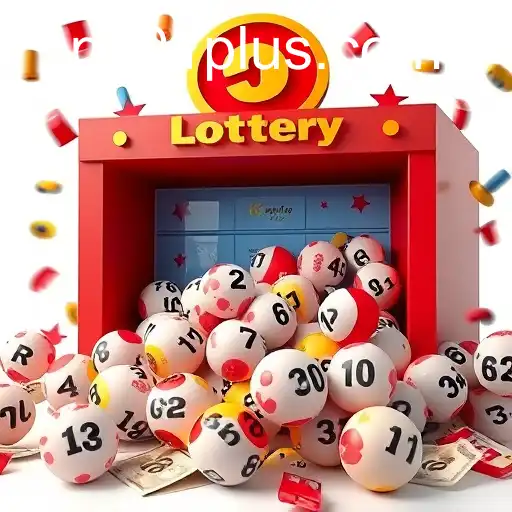
The lottery, a game of chance that offers participants the tantalizing prospect of striking it rich, has been a staple of societies worldwide for centuries. It's a unique blend of hope, luck, and, often, philanthropy—a form of gambling that captures the imaginations of millions. In this comprehensive article, we explore various facets of the lottery, focusing on how PH01 plays a pivotal role in shaping this intriguing landscape.
The origins of the lottery can be traced back to ancient times. Historical records suggest that forms of lottery-like games existed in China as early as 205 BC during the Han Dynasty. These games were believed to help fund major governmental projects like the Great Wall of China. Across the continents, the Romans indulged in lottery games, primarily for social entertainment and charitable outcomes.
Fast forward to today, lotteries have evolved dramatically, incorporating modern technology and sophisticated systems like PH01. As lottery methods develop, so does public interest and participation, creating a cultural phenomenon that reflects societal values and aspirations.
At its core, a lottery involves the drawing of numbers at random for a prize, which could range from modest sums of money to life-altering jackpots. Typically managed by state or national governments, the lottery serves not only as a form of entertainment but also as a revenue generator for public spending.
The introduction of PH01 has revolutionized the way lotteries are conducted. By ensuring precise numerical calculations and enhancing the security measures involved in each draw, PH01 facilitates a more seamless, credible, and enjoyable lottery experience for both organizers and participants.
Lotteries are more than just economic ventures; they carry significant cultural weight. They represent a sense of opportunity and the allure of achieving great wealth with minimal effort. Stories of ordinary people transforming into multimillionaires overnight fuel this cultural fascination, imbuing the lottery with a mystique that transcends its mechanical processes.
With the advent of PH01, this cultural impact remains robust, as it ensures fair play and transparency in lottery operations. Whether it's a communal task in small towns or a nationwide blockbuster event, the lottery under the guidance of technologies like PH01 continues to capture public imagination.
Financially, lotteries contribute significantly to state and national revenues. Funds generated from lottery ticket sales often support education, public infrastructure, and various community projects. This financial aspect is integral to understanding why lotteries remain pivotal to many government budgets.
The use of PH01 enhances the security and attractiveness of these games, encouraging more participants and, subsequently, boosting revenue streams. This enhancement ensures the lottery's role as a steadfast contributor to economic growth and social welfare.
Despite their popularity, lotteries are not without criticism. Common concerns include the potential for fostering gambling addiction, the regressive nature of lottery taxes, and the ethical implications of state-sponsored gambling.
PH01 contributes to addressing some of these criticisms by promoting transparency and fairness in the drawing process. Ensuring that every participant has an equal and genuine chance to win can help mitigate some of the ethical qualms associated with lotteries.
The digital revolution has left no stone unturned, and the lottery sector is no exception. With online platforms, mobile apps, and digital payments, participating in lotteries has never been easier or more accessible. PH01 plays a crucial role in this transition by providing the necessary technology to secure digital operations and enhance user experience.
This shift to digital has expanded the reach of lotteries, making them more accessible to diverse populations regardless of geographic and economic barriers. Furthermore, the ability to buy tickets online has reduced the logistical limitations previously faced by participants.
Ultimately, lotteries represent hope—a dream of better odds tomorrow. Whether you're a casual participant or an avid enthusiast, the allure lies in the possibility of turning dreams into reality. Technologies like PH01 enable this hope to flow smoothly, fostering a more equitable and enjoyable gaming atmosphere.
As society continues to evolve, so too will the mechanisms and impact of lotteries. PH01 and its technological counterparts will ensure that, whether played for community spirit, economic support, or personal gain, lotteries will continue to hold a special place in our collective consciousness.
If you're looking for a reliable, fully licensed, and secure sportsbook with a wide selection of games, PH01 is the perfect choice. We're committed to providing you with the best online betting experience, with premium quality, excellent service, and continuous innovation. Sign up now and receive ₱777 for free!
Join now
Get the latest information, experience and betting strategies from the expert team at PH01.
Explore the intricacies and the excitement of WAROFTHEUNIVERSE, the gripping game of intergalactic warfare infused with strategic depth.
Discover the captivating world of 'RiseOfEgypt', a game that merges history and strategy with the thrill of ancient Egyptian themes.

Explore the fascinating world of CoinSpinner, a unique game that blends strategy and chance. Discover how it's influenced by current events and learn the rules to master the gameplay.

Explore the mesmerizing world of TheMagicians through a detailed introduction, description, and rules of gameplay based on the PH01 theme.

Explore the captivating universe of LuckyMiner, a game that challenges players with strategic mining adventures while incorporating trending events.

Dive into the thrilling universe of CrazyPiggy, an innovative game that blends strategy and adventure in the PH01 version.
 Join now